Arkhalia Where Myths Breathe and Worlds Are Born

Arkhalia

Where Myths Breathe and Worlds Are Born

Latest Articles

The Roads That Magic Travels: What Ancient Trade Networks Teach Fantasy Worldbuilders
World Mythology

The Roads That Magic Travels: What Ancient Trade Networks Teach Fantasy Worldbuilders

The most persistent flaw in fantasy worldbuilding is not underdeveloped magic systems — it is the assumption that magic exists outside the logic of exchange. Real history demonstrates that knowledge, power, and the materials required to channel both have always moved along trade routes, accumulating in centers of commercial gravity and transforming the cultures that controlled their flow. Fantasy worlds that ignore this principle produce magic that floats free of consequence, and economies that
When the Erased Return: How Horror Fiction Channels the Gods We Buried
Mythology & Pop Culture

When the Erased Return: How Horror Fiction Channels the Gods We Buried

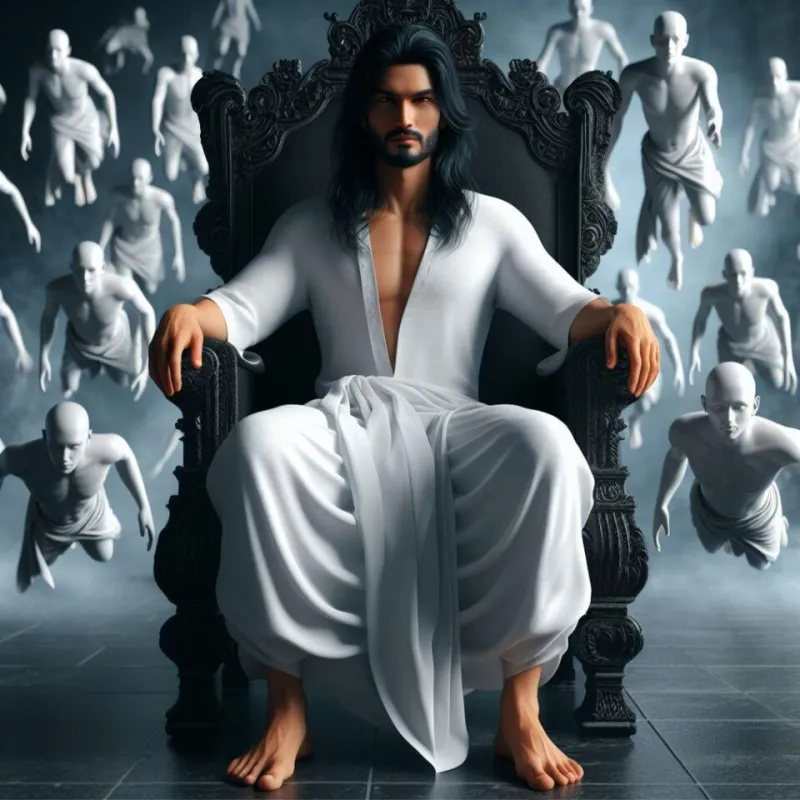
Modern horror has an uncanny habit of reaching into the graves of suppressed mythological traditions and pulling something ancient back into the light. The monsters haunting contemporary fiction are often not invented at all — they are deities whose cults were dismantled, whose names were forbidden, and whose power was never truly extinguished. What this pattern reveals about our collective relationship with abandoned sacred narratives is as unsettling as the stories themselves.

The Story That Ends Where It Began: Cyclical Cosmologies and the Future of Fantasy Narrative
World Mythology

The Story That Ends Where It Began: Cyclical Cosmologies and the Future of Fantasy Narrative

Western fantasy fiction is built on a single, largely unexamined assumption: that time moves forward, that progress is possible, and that the hero's journey concludes in a state meaningfully different from — and better than — where it began. Non-Western cosmological traditions from Hindu, Mesoamerican, and Indigenous Australian frameworks offer a radically different architecture of time, one in which the concept of a final victory becomes not just structurally impossible but philosophically inco

The Gods Who Keep the Lights On: Why Mythology's Maintenance Deities Are Its Most Revealing Figures
World Mythology

The Gods Who Keep the Lights On: Why Mythology's Maintenance Deities Are Its Most Revealing Figures

Every functioning pantheon quietly depends on divine beings whose work is neither glorious nor celebrated — the deities of renewal, boundary, and cosmic upkeep who make heroism possible in the first place. From India's Shitala to Japan's Inari, these unglamorous figures expose the true infrastructure of mythological systems. Modern fantasy worldbuilding ignores them almost entirely, and the worlds it builds are diminished because of it.

Sacred Wreckers: How Ancient Demons of Disorder Were Robbed of Their Cosmic Purpose
World Mythology

Sacred Wreckers: How Ancient Demons of Disorder Were Robbed of Their Cosmic Purpose

Long before modern fantasy reduced demonic figures to interchangeable agents of evil, Mesopotamian and Hindu traditions gave their most fearsome destructive beings a purpose that transcended villainy. These entities did not simply oppose the good — they maintained it. Understanding what was lost in that translation may be the most urgent challenge in contemporary fantasy worldbuilding.

The Living Debt: How African and Asian Ancestor Traditions Reveal What Fantasy Gets Catastrophically Wrong About the Dead
World Mythology

The Living Debt: How African and Asian Ancestor Traditions Reveal What Fantasy Gets Catastrophically Wrong About the Dead

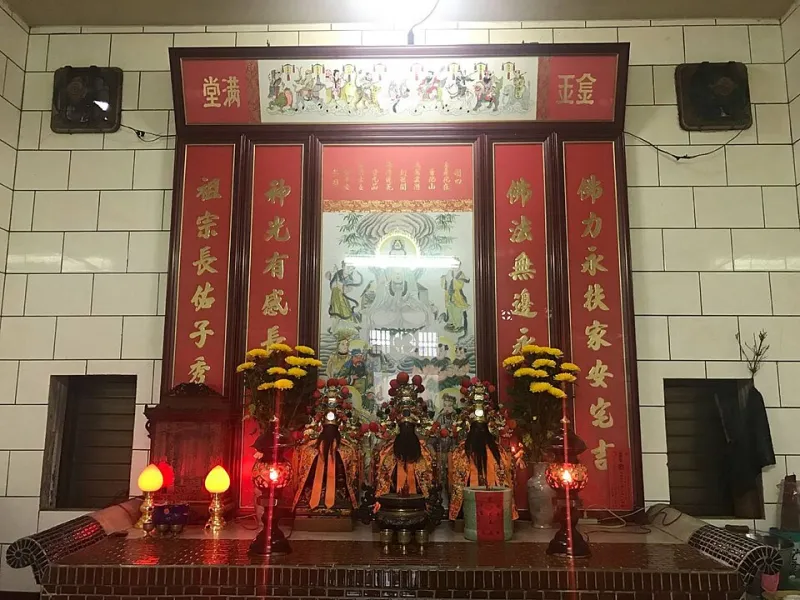
Fantasy fiction has long treated the dead as either enemies to vanquish or tools to exploit, reducing one of humanity's most profound spiritual relationships to a mechanical plot device. Across African, Chinese, and Indian traditions, however, ancestors were never passive — they were partners, judges, and guardians whose influence shaped every decision the living dared to make. Examining these traditions forces a reckoning with how impoverished most fantasy worlds truly are when it comes to hono

Before the First Word: What Primordial Emptiness Reveals About the Hidden Architecture of Every Fantasy World
World Mythology

Before the First Word: What Primordial Emptiness Reveals About the Hidden Architecture of Every Fantasy World

Across nearly every mythological tradition on earth, creation does not begin with something — it begins with nothing. Yet modern fantasy fiction has almost universally treated the void as an afterthought, a dramatic backdrop rather than a living cosmological force. Understanding why ancient cultures revered emptiness as generative, not merely absent, could permanently alter how storytellers build worlds from the ground up.

What Your Name Destroys: The Ancient Logic of Naming Magic That Fantasy Has Never Truly Grasped
World Mythology

What Your Name Destroys: The Ancient Logic of Naming Magic That Fantasy Has Never Truly Grasped

Across ancient Egypt, Hebrew scripture, and Aboriginal Australian tradition, a name was not a convenience—it was a living architecture of power, identity, and cosmic consequence. Modern fantasy fiction borrows the aesthetic of naming magic while discarding the terrifying metaphysical weight that made it sacred. What would storytelling look like if it dared to take names seriously again?

When Consequence Became Curse: What Mesopotamia Knew About Fate That Fantasy Has Forgotten
Mythology & Pop Culture

When Consequence Became Curse: What Mesopotamia Knew About Fate That Fantasy Has Forgotten

Ancient Mesopotamian storytelling understood that ruin did not require a villain with a wand — it required only a person, a choice, and time. Modern fantasy has replaced this unsettling truth with the comfort of magical retribution, turning consequence into curse and stripping human failure of its most honest dimension. Arkhalia examines what was lost in that substitution, and what the oldest surviving narratives might still teach the genre.

Keepers of the In-Between: How Threshold Spirits Became Mythology's Most Overlooked Architects
World Mythology

Keepers of the In-Between: How Threshold Spirits Became Mythology's Most Overlooked Architects

Across nearly every mythological tradition on earth, beings of extraordinary power were assigned not to heavens or battlefields, but to doorways, crossroads, and the fading edge of twilight. Fantasy fiction has largely erased these threshold guardians in favor of chosen heroes and world-ending villains, but the cost of that erasure runs deeper than most storytellers realize. Understanding what these liminal spirits actually did — and why they mattered — may be the key to building fictional world

Homeless Among the Gods: The Mythological Tradition of Wandering That Fantasy Fiction Has Abandoned
World Mythology

Homeless Among the Gods: The Mythological Tradition of Wandering That Fantasy Fiction Has Abandoned

Across Jewish, Islamic, Hindu, and Aboriginal traditions, some of mythology's most haunting figures are not heroes on quests but souls condemned to walk without belonging. Modern fantasy has largely traded this profound wellspring of displacement for tidy adventure arcs, leaving behind one of storytelling's richest and most psychologically honest territories.

Neither Demon nor Angel: How Slavic and Balkan Spirits Expose the Moral Poverty of Western Fantasy's Alignment System
World Mythology

Neither Demon nor Angel: How Slavic and Balkan Spirits Expose the Moral Poverty of Western Fantasy's Alignment System

The Domovoi guards your hearth but punishes your carelessness. The Vila heals the wounded and destroys the faithless. Eastern European mythology built its supernatural world on a foundation of conditional coexistence — and modern fantasy has been the poorer for ignoring it.

Gods Born from Silence: How History's Most Forgotten Empires Could Reshape Fantasy Forever
Mythology & Pop Culture

Gods Born from Silence: How History's Most Forgotten Empires Could Reshape Fantasy Forever

The Nabataeans carved their temples into rose-red cliffs and left almost no theology behind. The Cahokians raised a city larger than medieval London and vanished without a scripture. In the spaces where their gods once breathed, fantasy writers have found something more valuable than any documented pantheon — the raw, generative power of sacred absence.

Hammered Into Myth: The Divine Smiths That Fantasy Worldbuilding Left at the Anvil
World Mythology

Hammered Into Myth: The Divine Smiths That Fantasy Worldbuilding Left at the Anvil

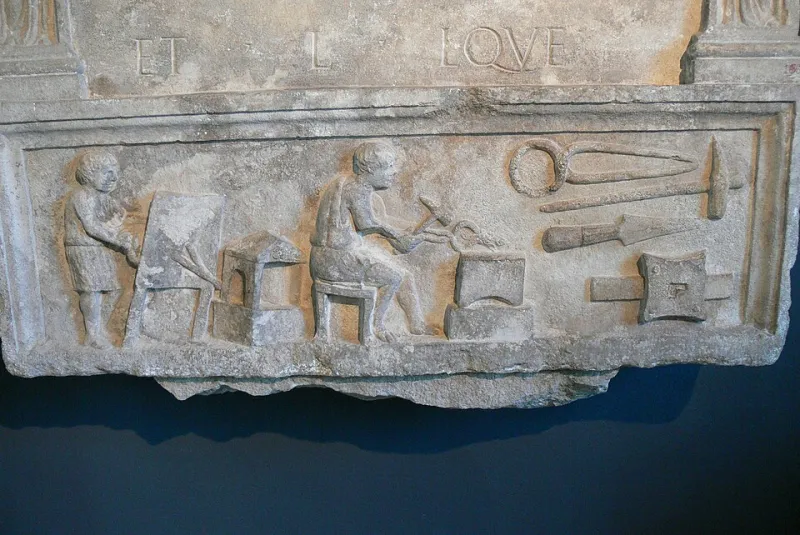
Across nearly every ancient civilization, gods who worked with fire and metal stood among the most revered figures in the divine order. Yet contemporary fantasy literature has largely abandoned these patron deities of craft and creation, favoring abstract sorcery over the profound mythology of labor, material, and consequence that smith gods represent.

Stranger Than Hell: The Death Realms That Fantasy Fiction Is Too Afraid to Enter
World Mythology

Stranger Than Hell: The Death Realms That Fantasy Fiction Is Too Afraid to Enter

Western fantasy has long treated the underworld as a place of punishment and fire, borrowing endlessly from Dante and his Christian inheritance. But the death realms of Mesopotamia, Japan, Polynesia, and West Africa operate on entirely different philosophical frequencies — and their strangeness could transform how storytellers imagine what lies beyond the living world.

The Spirits Next Door: How Mythology's Most Intimate Guardians Were Left Out of Fantasy's Grand Design
World Mythology

The Spirits Next Door: How Mythology's Most Intimate Guardians Were Left Out of Fantasy's Grand Design

Across nearly every major mythological tradition on earth, protective spirits stand watch over hearths, crossroads, rivers, and families — yet modern fantasy fiction has largely ignored them in favor of distant gods and world-ending heroes. This absence is not merely an oversight; it is a fundamental impoverishment of what fantasy could become.

Smoke, Bargains, and Ancient Fire: How Jinn Mythology Became Fantasy's Greatest Missed Opportunity
World Mythology

Smoke, Bargains, and Ancient Fire: How Jinn Mythology Became Fantasy's Greatest Missed Opportunity

Long before European wizards and elven courts dominated the fantasy genre, the courts of jinn offered a magic system of breathtaking complexity — one built on hierarchy, moral negotiation, and elemental sovereignty. Arkhalia examines why Western fantasy has largely bypassed this tradition and what contemporary writers are finally beginning to uncover within its depths.

The Serpent That Swallows Itself: How One Ancient Symbol Became the Blueprint for Every Fantasy Universe
World Mythology

The Serpent That Swallows Itself: How One Ancient Symbol Became the Blueprint for Every Fantasy Universe

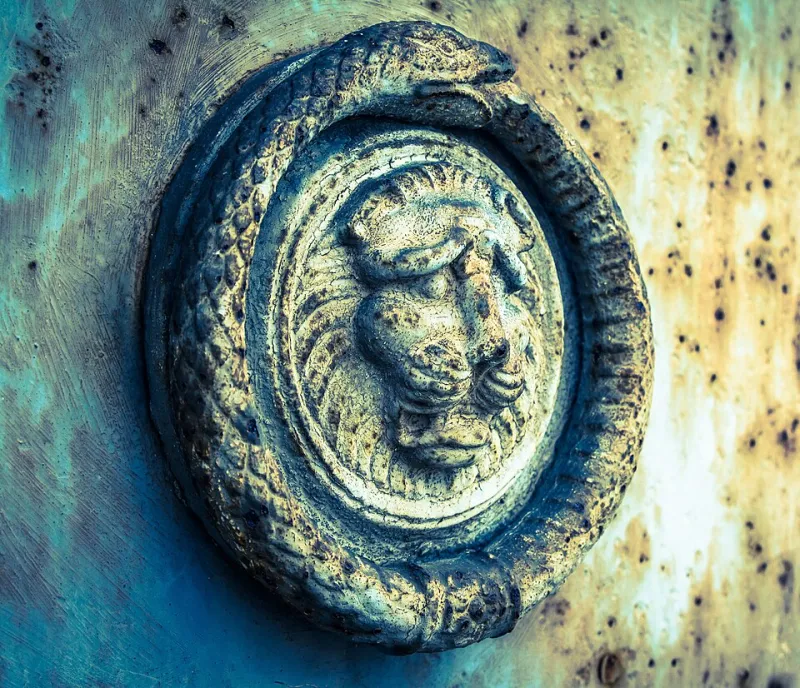
Across thousands of years and dozens of unrelated civilizations, a single image keeps returning: a serpent bent into a circle, consuming its own tail. The ouroboros is not merely a symbol — it is a structural logic, one that modern fantasy worldbuilders keep rediscovering whether they intend to or not. Understanding why this recursive figure haunts every serious attempt to imagine a cosmos reveals something profound about the way human minds construct infinity.

Between River and Shore: Why Fantasy Fiction Has Forgotten the World's Most Powerful Aquatic Shapeshifters
World Mythology

Between River and Shore: Why Fantasy Fiction Has Forgotten the World's Most Powerful Aquatic Shapeshifters

Across dozens of cultures, water spirits who shift form have haunted rivers, lakes, and coastal shallows for millennia — yet contemporary fantasy literature consistently reaches for the sky or the forest floor when it imagines transformation. This oversight is not merely a creative gap; it is a wholesale abandonment of some of mythology's most psychologically complex figures.

Skins of Another World: The Indigenous American Transformation Myths That Fantasy Fiction Refuses to See
World Mythology

Skins of Another World: The Indigenous American Transformation Myths That Fantasy Fiction Refuses to See

While werewolves and selkies crowd the shelves of contemporary fantasy, an entire continent's worth of shapeshifting mythology has been quietly overlooked. The transformation traditions of Indigenous American peoples carry a depth and philosophical complexity that European archetypes rarely match — and the reasons for their absence reveal as much about the publishing industry as they do about myth itself.